When introducing indoor plants into your home, understanding your available light and space is essential for their health and vitality. Different plants have unique needs in terms of light exposure, humidity, and space, and considering these factors can help you create an environment where your plants thrive. Here’s how to assess and optimize these two key factors:
Light
Indoor plants require light to carry out photosynthesis, the process that keeps them healthy and growing. However, not all plants need the same amount or type of light. Here’s how to evaluate the light conditions in your home:
Identify Natural Light Sources:
Windows
The amount of sunlight entering through windows varies depending on direction. South-facing windows usually get the most sunlight, while north-facing windows receive less direct sunlight but may be ideal for shade-loving plants. East and west-facing windows provide moderate amounts of light.
Indirect Light
If your plant is too far from a window or in a room with limited natural light, look for spots with bright but indirect light. Light-filtering curtains or sheer blinds can also help diffuse harsh sunlight for delicate plants.
Artificial Lighting:
If natural light is limited, consider supplementing with grow lights. LED or fluorescent grow lights can mimic the spectrum of sunlight and provide your plants with the necessary energy.
Assess Plant Light Requirements:
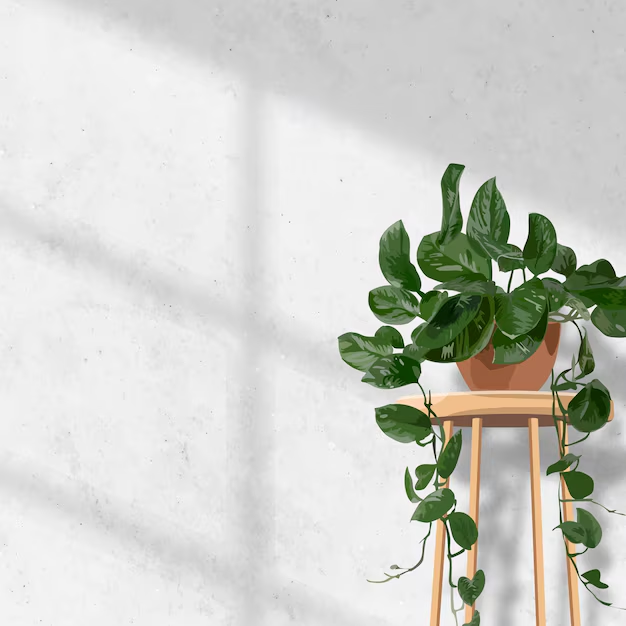
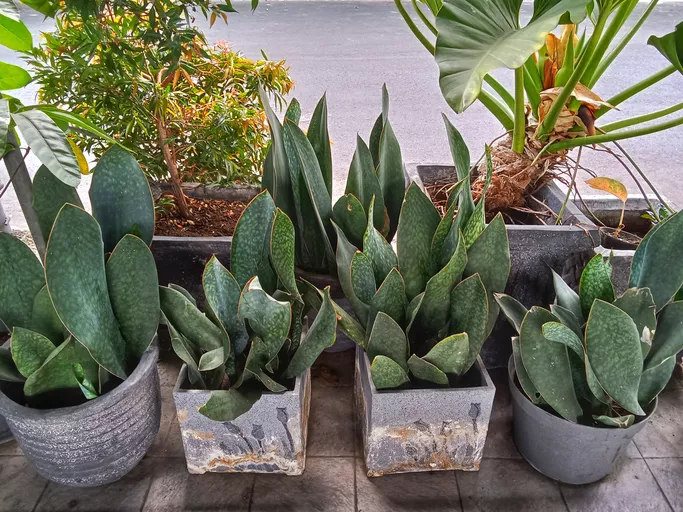
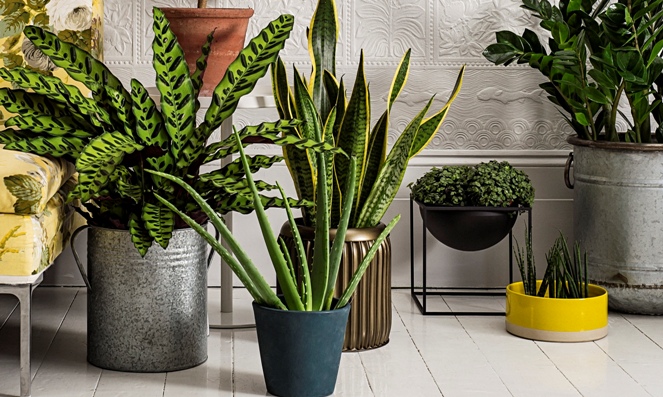
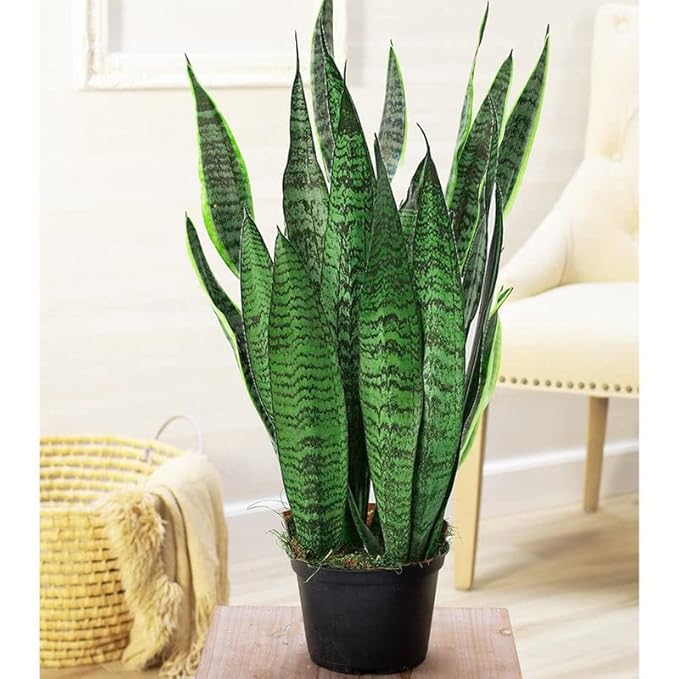
Low Light Plants: Some plants, like snake plants, pothos, and ZZ plants, thrive in low-light conditions and can tolerate being placed away from windows.
Bright, Direct Light Plants: Plants like succulents, cacti, and some tropical varieties need direct sunlight for a few hours each day.
Medium Light Plants: Ferns, peace lilies, and spider plants do well in moderate light and are perfect for locations near windows but out of direct sun.
Space
Plants also need space to grow and expand, and overcrowding can stunt their growth or cause them to become stressed. Here’s how to make sure your plants have enough room.
Consider Size and Growth:
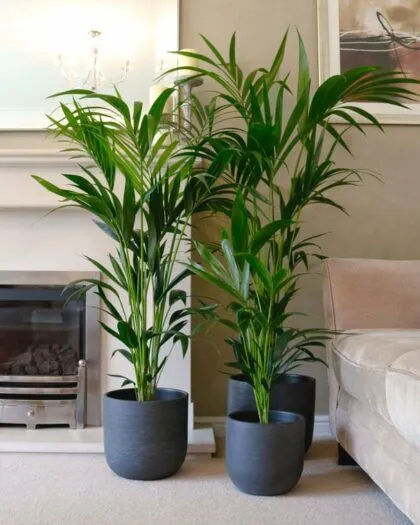
Growth Habits: Know the growth habits of the plant you’re choosing. Some, like fiddle leaf figs, can grow quite tall, while others, like trailing ivy, spread horizontally. Make sure you allow space for their mature size.
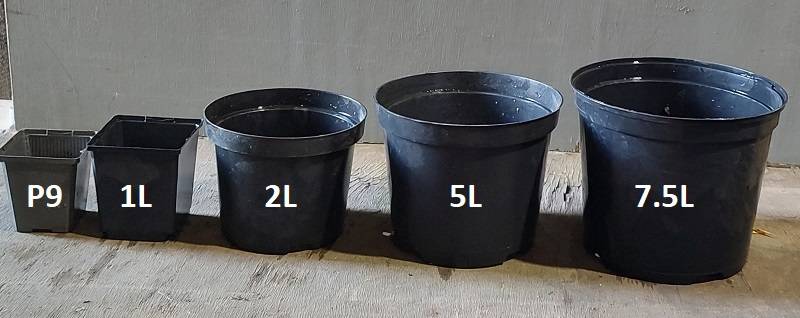
Pot Size: A plant’s pot should be big enough to accommodate its root system, but not too large. A pot that’s too large can lead to water retention and root rot, while one that’s too small can limit growth.
Placement:
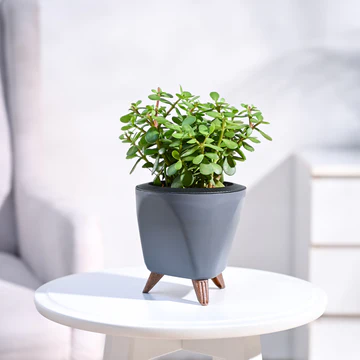
2.1 Small Spaces (Desks, Shelves, Windowsills)
Ideal plants: Succulents, Air Plants, Pothos, Spider Plant
Use hanging planters or wall-mounted pots to save space
By assessing your home’s light conditions and available space, you can choose indoor plants that will thrive effortlessly. Matching plants to the right environment minimizes maintenance and ensures a lush, green home. 🌿✨
Would you like help selecting specific plants for your space? 😊