
Introduction
Mother-in-Law’s Tongue, or snake plants (Sansevieria), are among the most common houseplants because of their eye-catching look and low maintenance requirements. Snake plants, which are distinguished by their vertical, sword-like leaves, are hardy and adaptable to a wide range of environments, which makes them a great option for both novice and seasoned plant lovers.
Everything you need to know about caring for a snake plant will be covered in this article, from repotting and typical issues to light and watering requirements.

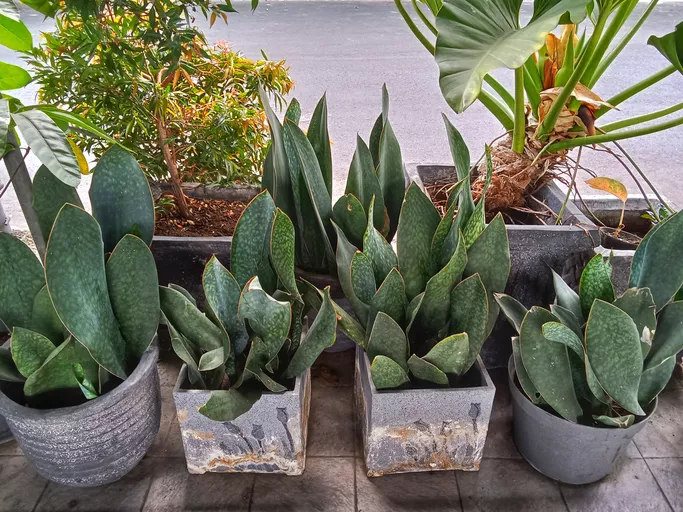
1. Choosing the Right Snake Plant Variety
Choosing the appropriate snake plant for your house or place of business is crucial because there are numerous varieties available. Among the well-liked types are:
The most prevalent type, Sansevieria trifasciata, has dark green leaves with yellow margins.
The spherical, spiky leaves of Sansevieria cylindrica are capable of being braided.
Tall, variegated leaves are a characteristic of Sansevieria laurentii.
The silvery-green leaves of Sansevieria moonshine give it a distinctive, contemporary appearance.
Although each type has a different aesthetic appeal, they all need the same fundamental maintenance.
2. Light Requirements
The ability of snake plants to adapt to various lighting situations is one of its outstanding qualities. However, certain light conditions are ideal for them:
Low Light: Although they may grow more slowly, snake plants may endure in low light conditions.
Bright, indirect sunlight is ideal for their growth.
Direct sunshine: Although they can withstand a certain amount of direct sunshine, too much of it can scorch their leaves.
Advice: To promote development, move your snake plant to a brighter location if it is not growing much.
3. Watering Guidelines
The biggest error you can do with a snake plant is to overwater it. These plants are drought-resistant because their thick leaves retain water.

How Often to Water
- Depending on the season, water every two to four weeks.
- Water once every two weeks during the summer.
- Water only once a month during the winter.
- Before watering again, always allow the soil to totally dry out
Signs of Overwatering
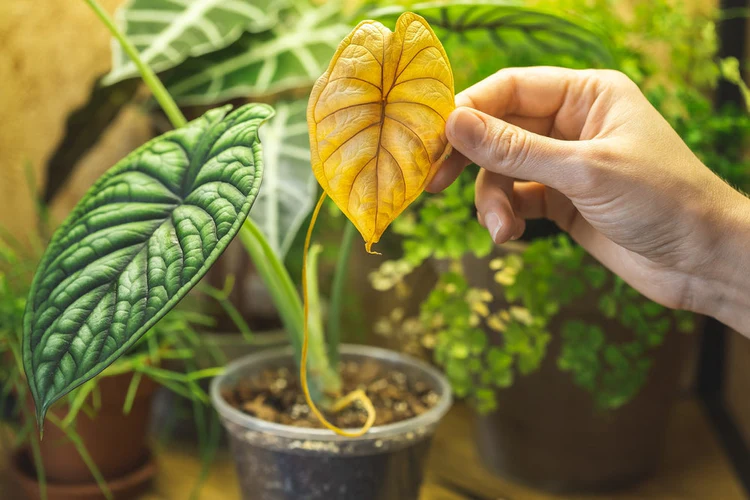
- Leaf yellowing
- Drooping or mushy leaves
- Rotten roots (blackened, odorous roots)
Signs of Underwatering
- Curled or wrinkled leaves
- Tips of brown leaves
Tip: Use a moisture meter or stick your finger an inch into the soil. If it’s dry, it’s time to water.
4. Soil and Pot Selection
In order to avoid root rot, snake plants demand soil that drains properly. The top choices for soil are: Succulents or cacti: They drain rapidly and do not retain water.
Regular potting soil mixed with sand or perlite – Improves drainage.

Choosing the Right Pot
Use pots with drainage holes at all times. Because they absorb excess moisture, terracotta pots are perfect. Pots that are too big should not be used since they hold more water and can cause overwatering.
5. Temperature and Humidity Needs
Although they tolerate indoor temperatures well, snake plants favor:
Range of Temperature: 60–80°F (16–27°C)
Humidity Levels: Avoid situations that are too humid; an average household humidity is OK.
Advice: Keep snake plants away from abrupt temperature fluctuations and chilly breezes.
6. Fertilizing Your Snake Plant
Snake plants don’t need much fertilizer, but occasional feeding helps promote growth.
Top Fertilizers
- Make use of a balanced liquid fertilizer for houseplants (10-10-10 or 20-20-20).
- Snake plants do well on cactus fertilizer.
Schedule for Fertilization
- Feed once every one to two months in the spring and summer.
- Fall and winter: Since growth slows down, fertilization is not necessary.
- Avoid overfertilizing as this might result in weak growth and burned roots.
7. Repotting a Snake Plant
Snake plants do not require frequent repotting because they grow slowly. Repot when: every two to three years
- The pot is outgrown by the plant.
- From the drainage holes, roots begin to grow.
- The soil gets compacted and becomes poorly drained.
How to Repot
- Select a pot that is one to two inches bigger than the one you have.
- Gently remove the plant and shake off any extra dirt.
- Cut out any harmed roots.
- Replant in soil that drains well.
- After repotting, give it a little water.
8. Propagating a Snake Plant
Propagation is an easy way to grow new snake plants from cuttings.
Methods of Propagation
- Water for Leaf Cuttings: Slice a robust leaf into pieces and submerge them in water. In a few weeks, roots should start to appear.
- leaf cuttings in soil that has been moistened, then watch for new growth.
- Division: Carefully separate any numerous rosettes on your plant and plant them in different pots.
Propagation works best while the plant is actively growing, which is in the spring and summer.
9. Common Snake Plant Problems & Solutions
Even though snake plants are hardy, they can still encounter some issues:
1. Yellowing Leaves
- Cause: Overwatering or too much direct sunlight.
- Solution: Reduce watering and move to indirect light.
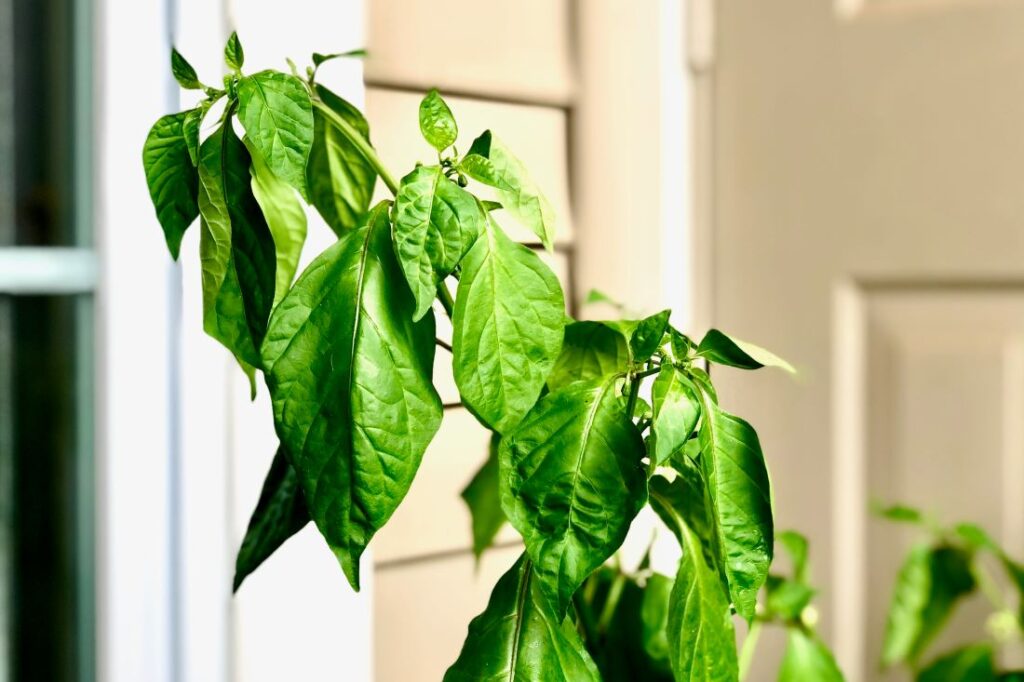
2. Drooping Leaves
- Cause: Root rot, underwatering, or lack of light.
- Solution: Check the roots, adjust watering, and place in brighter light.
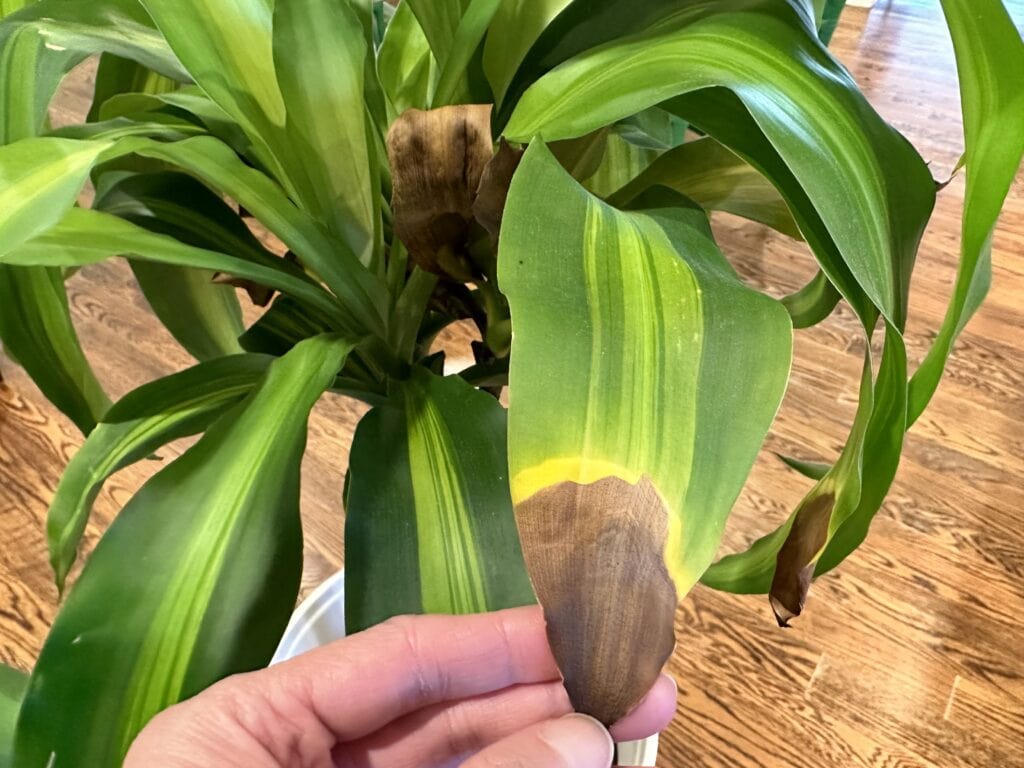
3. Brown Tips
- Cause: Dry air, over-fertilization, or inconsistent watering.
- Solution: Increase humidity, use filtered water, and fertilize less frequently.
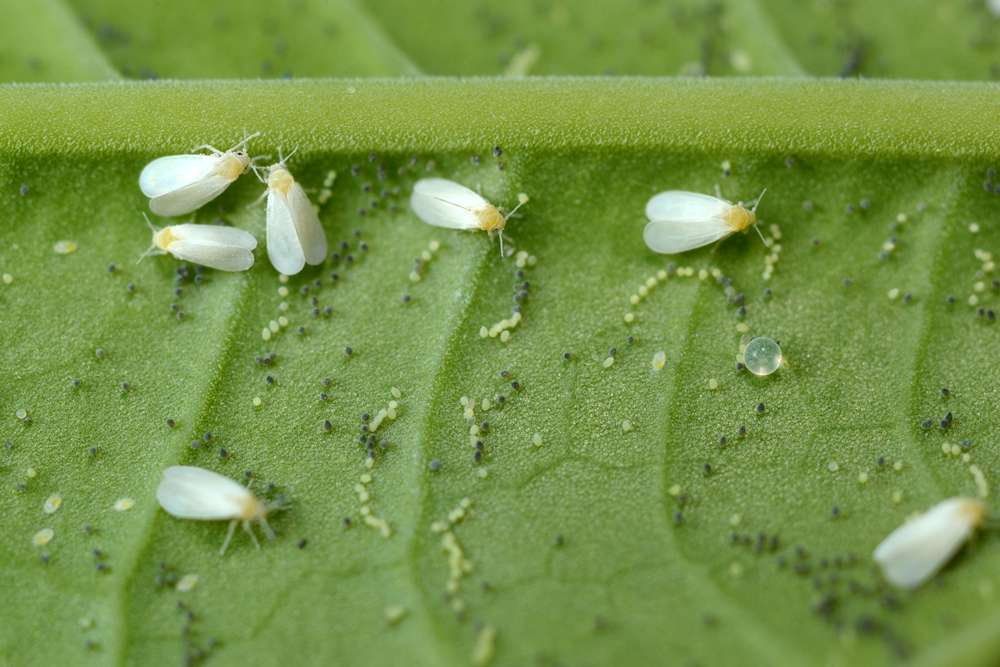
4. Pests (Mealybugs, Spider Mites)
Solution: Wipe leaves with a damp cloth, use neem oil, or apply insecticidal soap.
Conclusion
If you follow the correct procedures, caring for a snake plant is easy. Your snake plant can flourish for many years if you use well-draining soil, give it enough light, water it sparingly, and keep the temperature at the ideal level. It is also a fantastic addition to any home because of its air-purifying properties!